

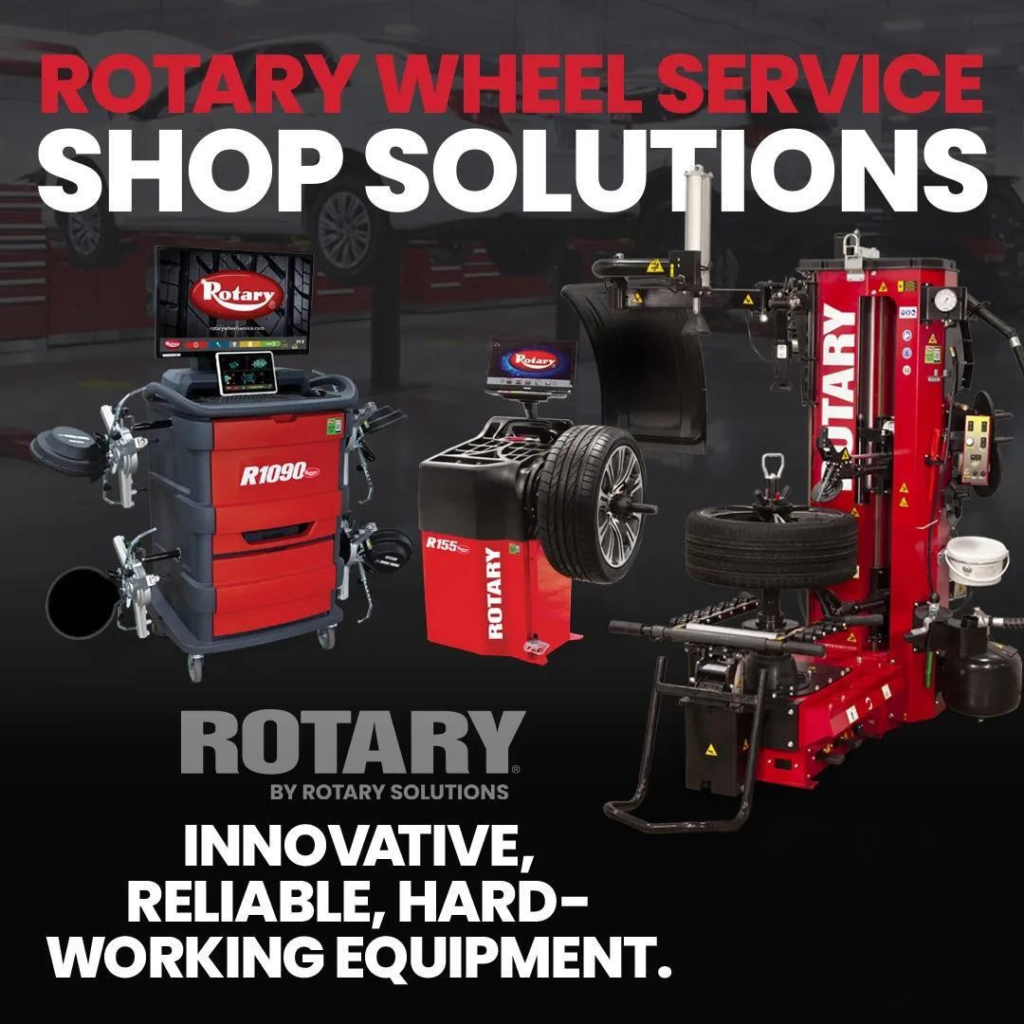
Rotary wheel service equipment can have a major impact on your shop’s ROI, technician productivity, and long-term reliability. If you are comparing Rotary tire changers, Rotary wheel balancers, and Rotary wheel alignment systems, the right choice comes down to more than features alone. You need equipment that helps your team work faster, reduces downtime, supports modern vehicles, and delivers strong value over time. Rotary’s own wheel service platform frames the category around tire changers, balancers, and alignment systems designed to improve uptime and shop performance..
For most shop owners, the real buying question is not “Which machine has the longest spec sheet?” It is “Which machine will improve the economics of my business?” That means looking at three things together: how quickly the equipment can pay for itself, how much it can improve workflow, and how dependable it will be after the sale. Rotary also supports that business-buyer approach with buyer’s guides and product-selection resources, not just product pages.
Start with the bottleneck, not the brochure
The best equipment purchase starts with identifying what is slowing your shop down right now.
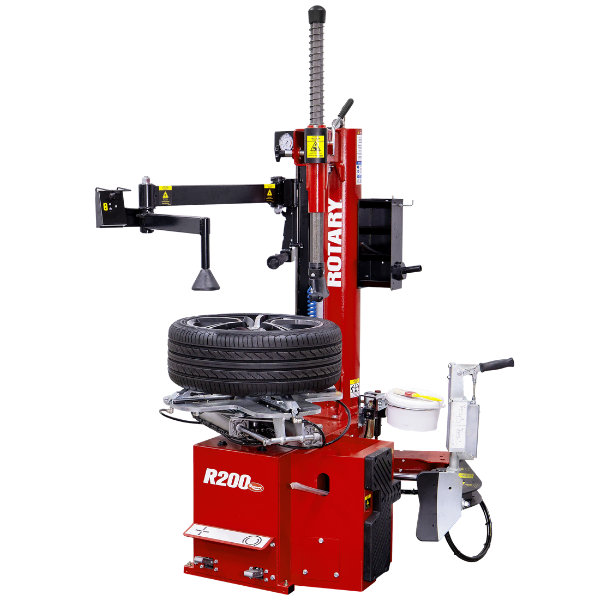
If your technicians lose time fighting stiff sidewalls, low-profile tires, heavy assemblies, or delicate wheels, your bottleneck is probably the tire changer. In that case, it makes sense to look at Rotary tire changers that are designed to improve technician efficiency and reduce wheel damage risk. Rotary’s official tire changer lineup specifically emphasizes working smarter, more efficiently, and more safely, with uptime and profitability as core outcomes. A model like the Rotary R1250 automatic tire changer is the type of solution many shop owners evaluate when they need more speed, better wheel protection, and less technician strain.
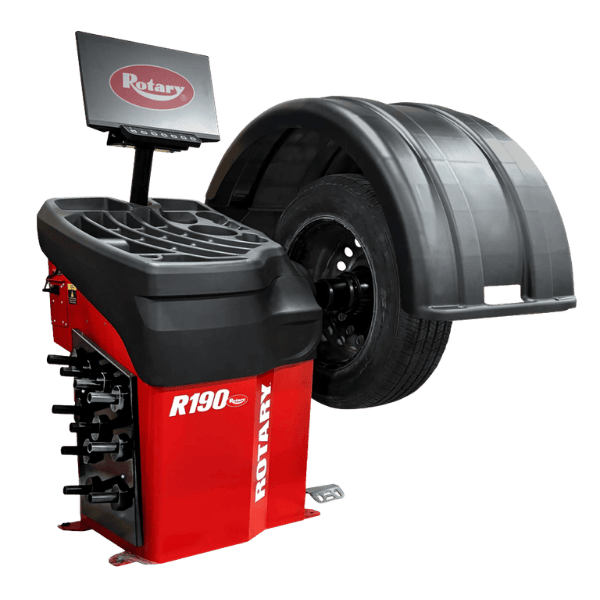
If your issue is repeated balancing checks, slow setup, technician inconsistency, or vibration-related comebacks, then your real constraint may be the balancer. Upgrading to Rotary wheel balancers can help improve first-pass accuracy, shorten balancing time, and create a smoother workflow in the bay. Rotary’s wheel balancer category positions the line around dependable results, while Rotary’s R155 support materials highlight features like laser-guided weight placement and auto positioning to reduce guesswork. Shops comparing premium balancing solutions often start with models like the Rotary R155 Pro 3D wheel balancer.
If you are outsourcing alignments, declining alignment work, or struggling with space limitations, then alignment equipment may be the most strategic upgrade. A modern Rotary wheel alignment system can help you keep more work in-house while improving service speed and adding a valuable revenue stream. Rotary’s wheel alignment lineup emphasizes efficient, consistent service, and the R1090 Pro 3D alignment system is described by Rotary as a towerless system with no minimum bay size requirements. For shops looking at advanced options, the Rotary R1090 Pro 3D alignment system is a strong example of equipment built to improve workflow flexibility and alignment capability.
That is why the smartest first step is to define the operational problem that is costing your shop the most money today. The best machine is usually the one that fixes your biggest workflow bottleneck first.
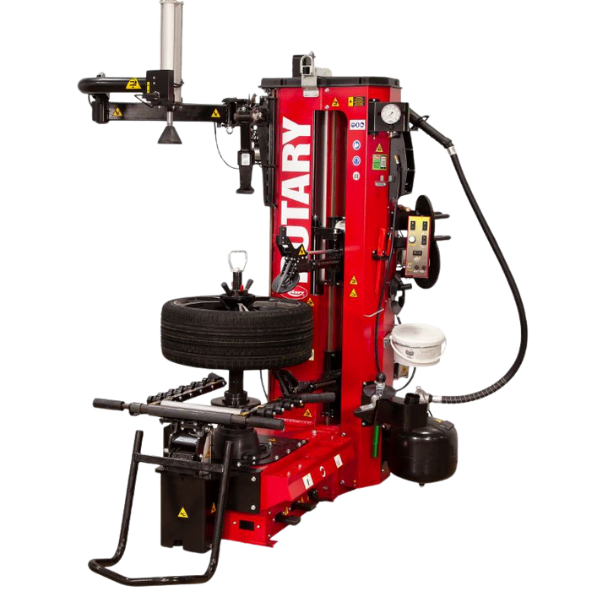
Rotary® | R1250 Leverless Pro | Premium Automatic Tire Changer
How ROI works across all three product lines
Return on investment in wheel service equipment typically comes from five places: more cars per day, faster labor completion, fewer technician slowdowns, fewer mistakes or comebacks, and the ability to keep more work in-house.
A Rotary tire changer improves ROI when it reduces the time, effort, and risk involved in mounting and demounting modern tire and wheel packages. If your team can complete difficult jobs faster and with less chance of wheel damage, you gain throughput without necessarily adding headcount. Rotary’s wheel service buyer resources are useful here because they are built around matching the right equipment to workload, features, and cost factors rather than just listing specs.
A Rotary wheel balancer creates ROI through speed and accuracy. If the machine simplifies operator input, speeds up the balancing cycle, and improves first-pass results, your shop benefits from smoother workflow and fewer vibration complaints after delivery. Rotary’s balancing resources and product support emphasize guided placement, repeatability, and reducing technician guesswork.
A Rotary wheel alignment system can produce ROI differently because it can create or expand a revenue stream, not just improve an existing one. If your shop currently sends alignments elsewhere or performs them inefficiently, alignment equipment helps you keep that work in-house. Rotary’s alignment buyer guidance and the R1090 product page both reinforce that alignment capability can be added with more flexibility than many owners assume.
The practical takeaway is simple: the right investment is the one that solves the most expensive problem in your current operation.

NEW Rotary® R1075 | Fixed Tower 3D Wheel Aligner System
Productivity matters more than raw specifications
Spec sheets matter, but workflow matters more.
When evaluating Rotary tire changers, ask how much technician movement, strain, and repeat handling the machine eliminates. Premium models such as the Rotary R1250 automatic tire changer are often considered by shops that want to improve efficiency on difficult tire and wheel combinations while also reducing the risk of damage to premium wheels. Rotary’s tire changer pages consistently frame the category around efficiency, safety, and uptime rather than just raw capacity.
When evaluating Rotary wheel balancers, ask how fast a new technician can become competent, how often jobs need to be rechecked, and how much manual data entry is still required. Solutions like the Rotary R155 Pro 3D wheel balancer are especially relevant for shops trying to improve balancing speed and consistency. Rotary’s R155 support content highlights auto positioning, laser-guided placement, and easy-to-follow training videos, all of which translate into less wasted motion and faster adoption.
When evaluating Rotary wheel alignment systems, the biggest productivity gains often come from flexibility. Equipment such as the Rotary R1090 Pro 3D alignment system can be appealing for shops that want to expand alignment services without creating workflow bottlenecks. Rotary says the R1090 can be moved bay to bay and does not require a dedicated alignment bay, which is a meaningful productivity advantage for space-constrained shops.
In practice, productivity is usually gained in small increments. A few minutes saved per vehicle, fewer repeated steps, and faster operator adoption add up quickly over weeks and months.
Long-term reliability is about support, not just construction
Reliability is not just about whether the machine feels well built on day one. It is also about what happens when you need help.
That is why it is important to buy from a trusted source that offers access to the full Rotary product line and understands how these products fit into real shop workflows. Rotary’s broader support structure includes Rotary Solutions University, Rotary Authorized Installer resources, and a local RAI locator for installation, service, warranty work, and training. Rotary says RAI companies and technicians are factory-trained professionals, can perform authorized warranty repairs, provide access to Genuine Rotary Parts, and in many cases can minimize disruption during installation.
For many shop owners, the real cost of unreliable equipment is not the repair bill itself. It is the lost labor hours, rescheduled customers, backed-up bays, and service advisor friction that come with downtime. Choosing proven Rotary wheel service equipment helps reduce that risk, especially when it is backed by a trained support network. Rotary’s service organization says it uses a factory-trained and insured network of more than 300 RAIs to inspect, install, and repair equipment across the United States.
Training and ease of adoption affect payback speed
One of the most overlooked factors in equipment ROI is how quickly your team can use the machine well.
A technically impressive machine that only one person in the shop knows how to operate properly will not create value as quickly as equipment the whole team can adopt with confidence. Faster onboarding usually means fewer mistakes, better consistency, and less dependence on one senior technician. Rotary says Rotary Solutions University offers both e-learning and hands-on training covering equipment operation, installation, maintenance, service, and sales. Rotary’s FAQs also state that setup and training are available on serialized Rotary wheel service equipment.
That applies across all three categories: Rotary tire changers, Rotary wheel balancers, and Rotary wheel alignment systems. When evaluating options, consider not only the machine’s capabilities, but also how quickly your team can use it efficiently in a real production environment.
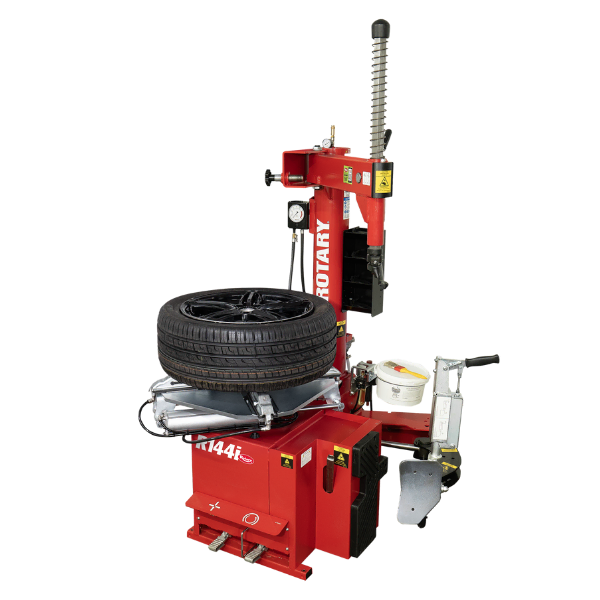
Rotary® R144i | High Performance Swing Arm Tire Changer
Think in terms of total cost of ownership
Price matters, but price is not the same thing as cost.
The total cost of ownership includes freight, setup, training, maintenance, parts, service response, and the cost of lost production if the machine is down. That is why shop owners should compare more than sticker price when reviewing Rotary tire changers, Rotary wheel balancers, and Rotary alignment machines. Rotary’s wheel service equipment overview and support resources are useful reference points because they tie product selection to installation, training, manuals, warranty support, and ongoing service.
This is also why new versus used should be treated as a business-risk decision, not just a price comparison. A used machine may lower upfront spend, but it can also come with more uncertainty around condition, missing accessories, outdated components, and less predictable support. Buying new Rotary wheel service equipment typically gives shop owners more confidence in long-term performance and available support.
The better way to compare options is not “Which one is cheapest today?” It is “Which one gives me the lowest cost per productive month over the next several years?”
Make sure the equipment fits modern vehicle demands
Your equipment should match the vehicles you service now and the work mix you want to grow into.
On the tire side, that means choosing Rotary tire changers that can handle modern wheel and tire demands efficiently. On the balancing side, it means selecting Rotary wheel balancers that support accurate, repeatable results on today’s vehicles. On the alignment side, it means evaluating Rotary wheel alignment systems that fit your bay layout and revenue goals. Rotary’s current product ecosystem is built around those three product lines, and its wheel-service resources are specifically aimed at helping shops choose the right setup for their service mix.
For shops servicing premium, European, or performance vehicles, this becomes even more important. Equipment choice affects not only speed, but also technician confidence and the customer’s experience after the job is complete.
Don’t overlook safety, inspections, and installation quality
Even when the buying focus is ROI and productivity, safe installation and ongoing inspection still matter. If your wheel-service workflow includes alignment lifts or lift-supported operations, the Automotive Lift Institute says every automotive lift installed in the United States and Canada should be inspected at least annually. ALI also publishes standards and guidance around lift installation, operation, inspection, and maintenance, which makes it a useful external resource when you are evaluating long-term ownership risk.
That is another reason the installer network matters. Rotary’s RAI locator states that RAI technicians can perform equipment inspections, use current service bulletins, stock commonly used parts, and offer technician training as part of the installation package.
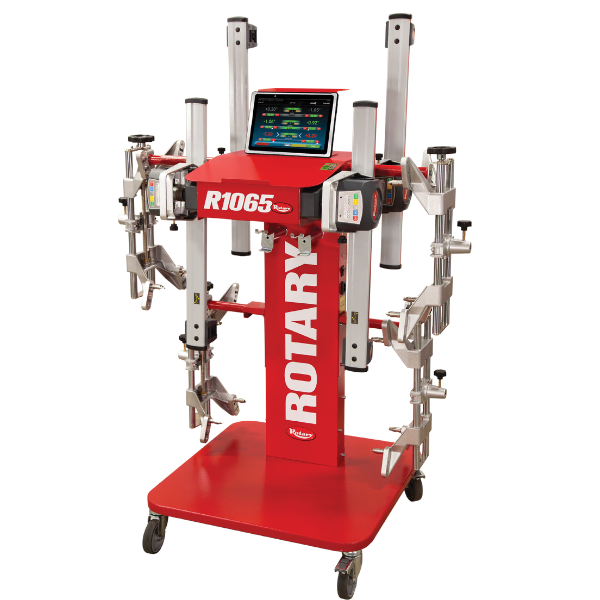
Rotary® Wheel Aligner – R1065 | Mobile Tablet Aligner
A simple decision framework for shop owners
If you are comparing Rotary tire changers, Rotary wheel balancers, and Rotary wheel alignment systems, work through these questions in order.
First, where is your current bottleneck: tire service speed, balancing accuracy, or alignment capacity?
Second, which upgrade would most directly improve throughput or capture more revenue?
Third, how quickly can your team adopt the equipment and use it consistently?
Fourth, what support structure stands behind it after installation: setup, training, parts, and service?
Fifth, what is the real ownership cost over three to five years, including downtime risk?
That framework usually leads to a better buying decision than shopping strictly by sticker price or by feature count alone.
Final thoughts
The right Rotary wheel service equipment is the equipment that improves the economics of your shop.
For some shops, that means a Rotary tire changer that helps technicians move through difficult assemblies faster and with less risk. For others, it means a Rotary wheel balancer that improves first-pass accuracy and reduces rework. For growing operations, it may mean a Rotary wheel alignment system that opens up a profitable service line and keeps alignment revenue in-house.
A smart way to continue researching is to compare the broader Rotary equipment lineup, review Rotary’s official wheel service buyer resources, and then evaluate individual solutions like the Rotary R1250 automatic tire changer, Rotary R155 Pro 3D wheel balancer, and Rotary R1090 Pro 3D alignment system. Rotary’s training, support, and installer ecosystem gives these product comparisons more context because you are evaluating not just the machine, but the long-term ownership experience around it.
The smartest purchase is not necessarily the cheapest machine or the most feature-heavy one. It is the machine that best fits your workflow, your technicians, your space, and your growth goals.
Frequently Asked Questions
Which type of Rotary wheel service equipment usually delivers the fastest ROI?
It depends on the bottleneck. A tire changer often pays back fastest in shops with high tire volume and difficult wheel packages. A balancer can pay back quickly when slow cycles and rechecks are the issue. An aligner may have the biggest upside when the shop is currently outsourcing alignments or turning that work away. Rotary’s product-selection resources are built around helping buyers make that type of decision.
What is the best Rotary tire changer for a busy shop?
That depends on your workflow, vehicle mix, and technician needs, but many shops evaluating premium tire service equipment start by looking at the Rotary R1250 automatic tire changer alongside Rotary’s official tire changer resources.
What is a strong Rotary wheel balancer option for improving productivity?
A popular solution to compare is the Rotary R155 Pro 3D wheel balancer, especially for shops focused on speed, consistency, and accuracy. Rotary’s R155 support materials are helpful because they show how features like laser-guided positioning and auto positioning affect real workflow.
What Rotary alignment machine should shops look at for flexible workflow?
A strong option to evaluate is the Rotary R1090 Pro 3D alignment system, particularly for shops interested in expanding alignment capability. Rotary says the R1090 is towerless and does not require a dedicated alignment bay, which is a major advantage for many shops.
Where can I compare Rotary tire changers, balancers, and aligners?
You can browse the full Rotary brand page, or go directly to Rotary tire changers, Rotary wheel balancers, and Rotary wheel alignment systems. For manufacturer-side research, Rotary’s wheel service overview and wheel service buyer resources are the most relevant external references.